Published 8 March 2026
Best Sunny Beach Destinations: Where to Find Guaranteed Sun
The only guide that ranks beaches by actual sunshine data — not by which ones pay the most for sponsored posts.
Everyone wants a sunny beach holiday. Few people actually get the weather they were promised.
The problem is not the destinations. It is the information. Most "best beach" articles are written in January, published in February, and never updated. They rank beaches by Instagrammability, by affiliate commission rates, by which PR agency sent the best press trip. None of them tell you what you actually need to know: what is the weather going to be like on my beach, on my specific dates, this year? This guide does things differently. The six sunny beach destinations below are ranked by actual sunshine reliability — historical sunshine hours, sea temperature, rain probability — with honest caveats about when to go and when to avoid.
What makes a beach genuinely "sunny"?
Before the list, a methodology note. "Sunny" is not a feeling. It is a number. The destinations below all clear three minimum bars:
- Sunshine hours: 8+ hours of direct sunshine per day during their best season.
- Rain risk: fewer than 5 rainy days per month on average during peak season.
- Sea temperature: 22°C or above — warm enough to swim without a wetsuit.
A beach that has blue skies but 18°C water is not a sunny beach holiday. A beach with 30°C air temperature but afternoon thunderstorms every day is not reliable. The six below pass all three tests during their recommended windows.
1. "Sunny Beach", Bulgaria — the Black Sea's best value sun destination
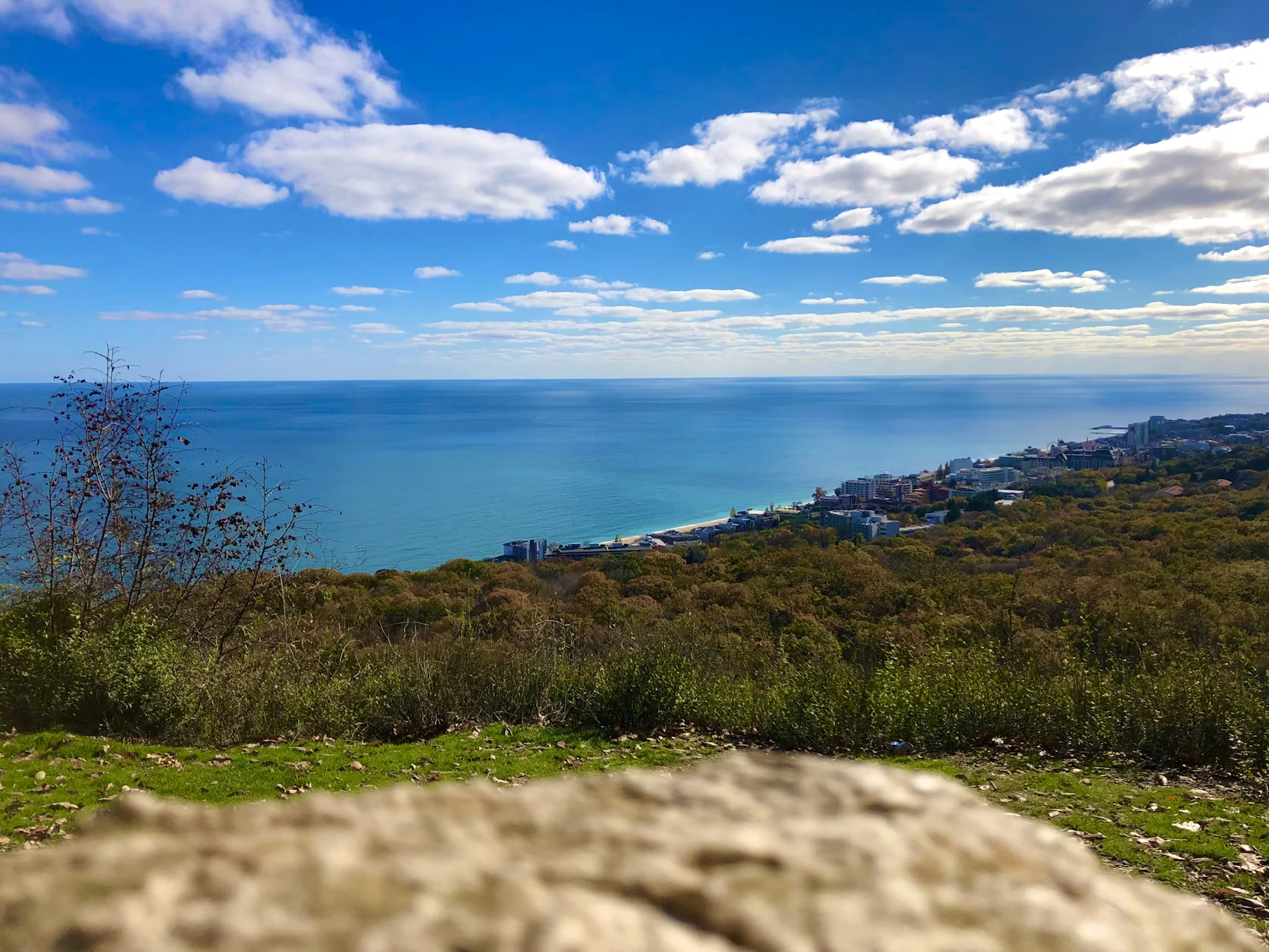
Let's start with the obvious one — not just because the keyword data makes it the highest-volume beach search in Europe, but because Sunny Beach, Bulgaria genuinely deserves its place on this list. It is one of the few places where the name is not ironic.
Sunny Beach (known locally as Slanchev Bryag, meaning "sunny shore") sits on Bulgaria's Black Sea coast, about 35km north of Burgas. It is the country's largest and most developed resort, stretching across roughly 8 kilometres of golden sand. And it lives up to its name: the resort enjoys around 300 days of sunshine per year, with July and August delivering an average of 9–10 sunshine hours per day and near-zero rainfall.
Peak season runs from mid-June through September. July is the hottest month, with daytime temperatures regularly reaching 27–31°C. Sea temperatures in August reach 25–26°C, among the warmest on any European coast. The Black Sea's enclosed geography means waves are gentle — ideal for families and less confident swimmers. All-inclusive hotel packages here cost a fraction of comparable options in Greece, Spain, or Turkey.
The honest caveat: Sunny Beach is a resort in the fullest sense of the word. It is not a place for authentic local culture. But for guaranteed sun, warm water, cheap beer, and a wide sandy beach, the numbers are hard to beat. Late May and early September deliver the same weather with far fewer people and meaningfully lower prices.
Sunshine hours: ~9–10/day (July–August) Sea temperature: up to 26°C (August) Rain risk: Very low (July–August are the driest months) Best for: Budget beach holidays, families, groups, party scene
2. Crete, Greece — the Mediterranean's most reliable sunshine record
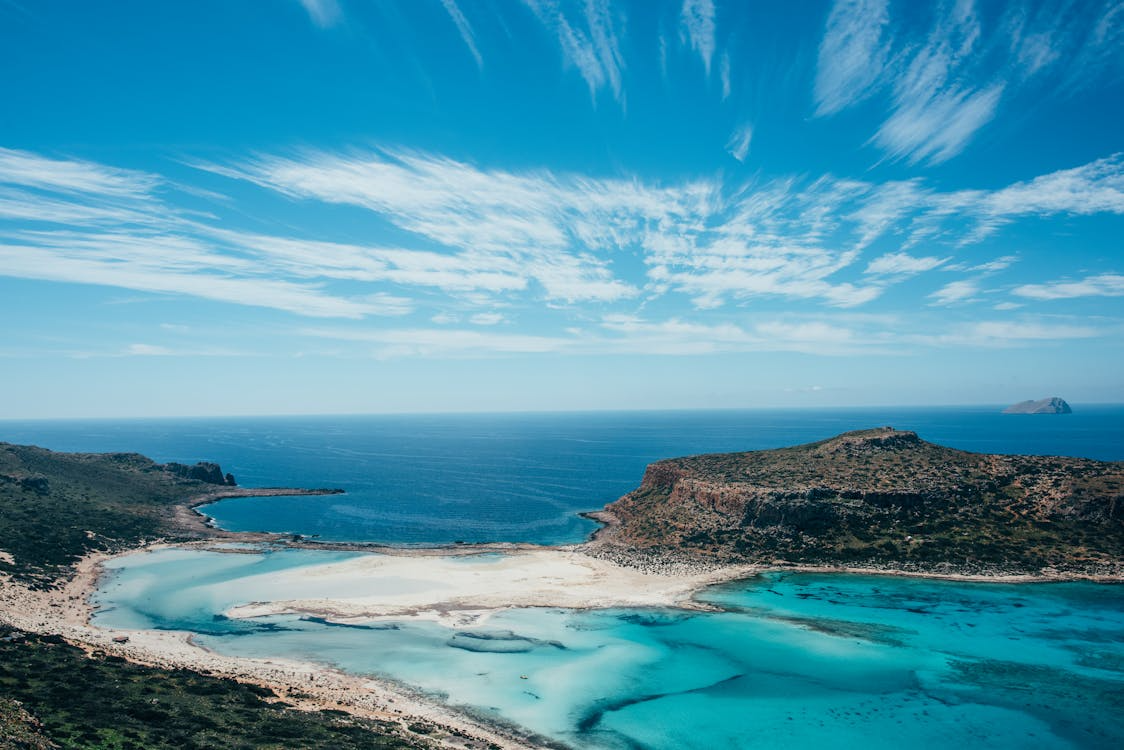
If you want to make a statistically sound bet on a sunny beach holiday in Europe, Crete is the safest option on the continent. The island sits further south than most travellers realise — at roughly the same latitude as parts of North Africa — and its summer weather is correspondingly reliable.
June through September delivers an average of 10–12 sunshine hours per day, with rainfall that is essentially theoretical during the peak months. Daytime maximums of 27–32°C, sea temperatures reaching 25°C by August, and cloud cover probability below 15% for most of July and August.
The beach offer is extraordinary in range — from the famous pink-tinged sand of Elafonissi on the west coast to the Venetian harbour of Rethymno, the palm-lined Vai beach in the east, and the dramatic gorge exit at Agia Roumeli on the south. Crete is not just a beach destination — it is a destination that happens to have exceptional beaches alongside one of the most historically rich landscapes in Europe.
The honest caveats: July and August are genuinely crowded, particularly on the north coast resorts around Heraklion and Malia. The south coast — Paleochora, Agia Galini, Matala — is significantly quieter but harder to reach without a hire car. June is the sweet spot: excellent weather, warm sea, crowds not yet peaked.
Sunshine hours: ~10–12/day (June–August) Sea temperature: 22–25°C (June–August) Rain risk: Near-zero (July–August); Low (June) Best for: Families, couples, history lovers, beach variety
Affiliate links — we may earn a commission, at no cost to you.
3. Algarve, Portugal — Atlantic sunshine that rivals the Mediterranean
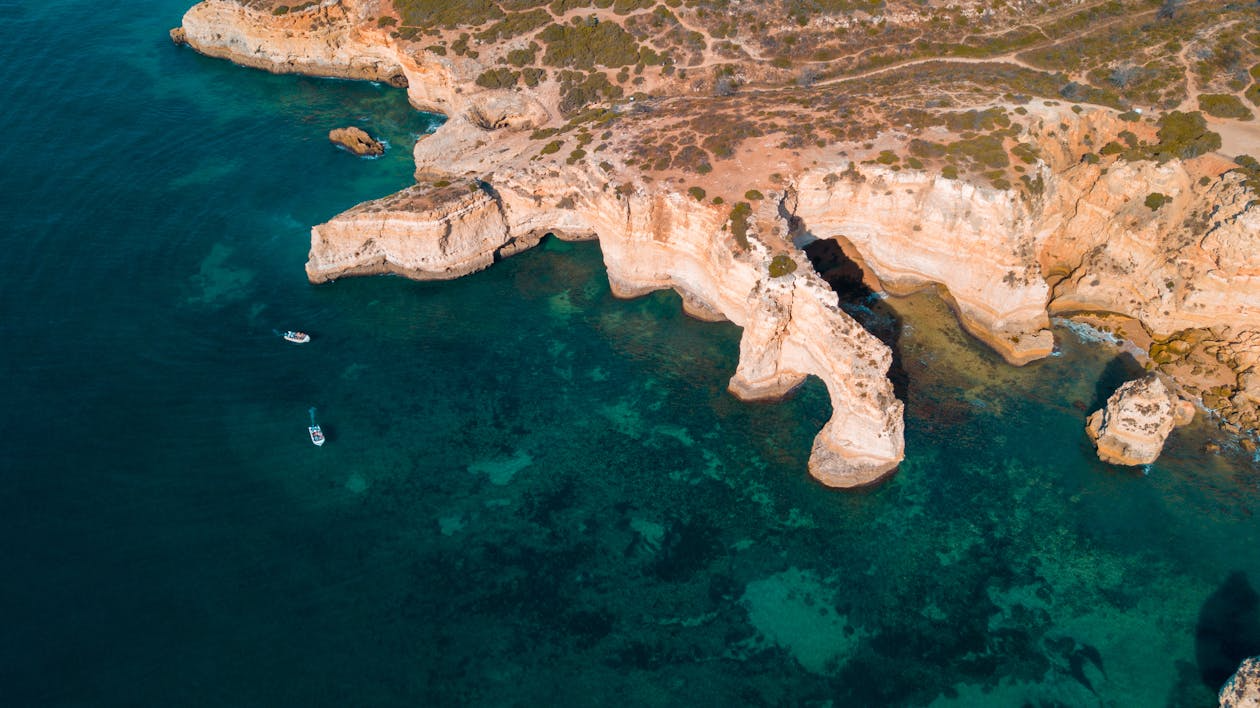
Portugal's southern coast has the best-kept secret in European beach weather: it is almost as sunny as the Mediterranean, consistently less crowded, and significantly cheaper. The Algarve runs for roughly 150 kilometres across Portugal's southernmost tip, facing south and south-west in a way that maximises sun exposure even as the Atlantic moderates temperatures.
June through September delivers 10–11 sunshine hours per day in Faro. July and August temperatures sit at 28–32°C — warm without the furnace quality of inland Andalusia. The sea at 21–23°C is cooler than the Mediterranean but perfectly swimmable and refreshing in the afternoon heat. Rainfall from June through August is statistically negligible.
The coastline divides into two personalities. The western Barlavento coast — Lagos, Sagres, Albufeira — has the famous limestone formations, sea caves, and sheltered cove beaches. The eastern Sotavento coast — Tavira, Cabanas, Manta Rota — is flatter, quieter, and built on barrier island lagoons that create shallow, warm, child-friendly swimming conditions unlike anything in Greece or Spain.
The honest caveats: the Atlantic water is cooler than the Mediterranean. If 23°C sea feels cold to you, this is not the warm swim of Crete or Bulgaria. August also sees significant domestic Portuguese and Spanish tourist pressure, particularly in Albufeira. June and September are the smart choices.
Sunshine hours: ~10–11/day (June–August) Sea temperature: 19–23°C (June–August) Rain risk: Low (June); Near-zero (July–August) Best for: Couples, surf travellers, food and wine, dramatic coastal scenery
4. Tulum, Mexico — the Caribbean's sunniest early-summer window
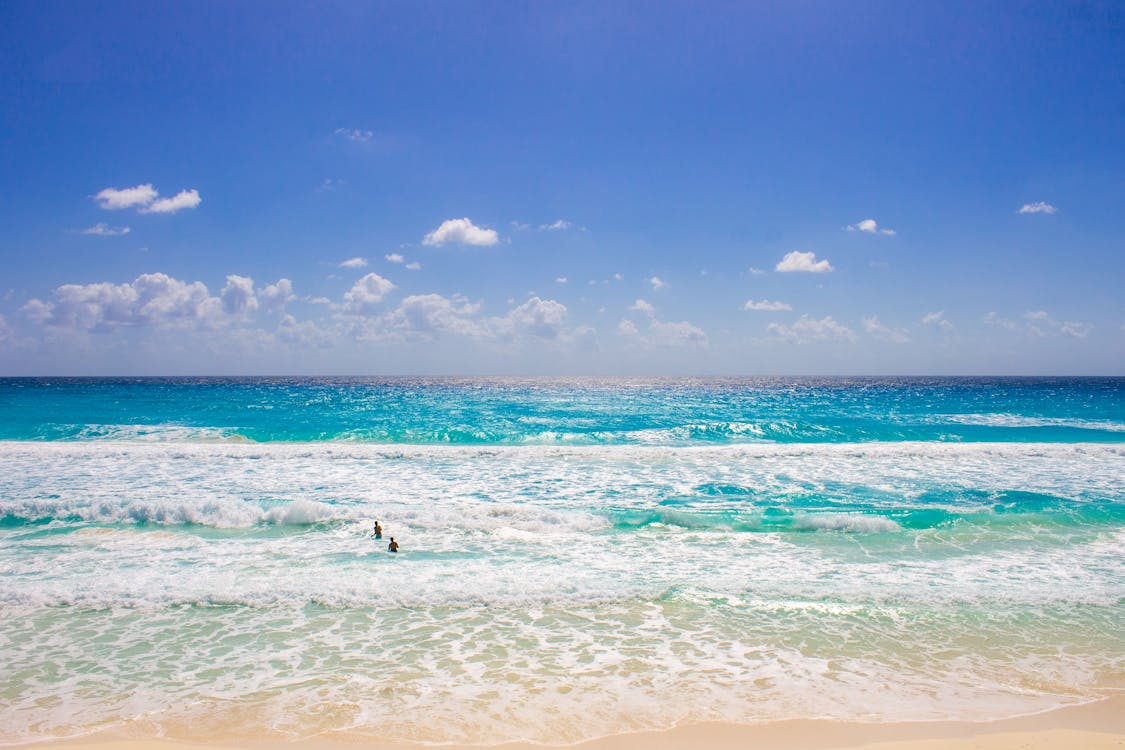
Tulum earns its place on this list through a specific weather window that most guides miss: May and early June, before the Caribbean rainy season fully establishes, deliver 7–9 hours of sunshine per day, sea temperatures above 28°C, and a beach experience that is significantly less crowded than the November–March high season.
The beach corridor south of Tulum town runs for several kilometres of white sand on a Caribbean sea that is genuinely, startlingly turquoise. The clarity is exceptional — visibility of 20+ metres in the right conditions — and the cenotes inland (natural freshwater sinkholes in the limestone) offer some of the most unusual swimming experiences on earth.
Notably, the Mayan ruins at Tulum sit directly above the beach on a cliff, visible from the water — a setting that is completely unique. The combination of Caribbean beach, archaeological site, jungle cenotes, and a well-developed restaurant scene creates a holiday with more dimensions than a standard beach trip.
The honest caveats: late June through September is the Atlantic hurricane season, and travel insurance covering weather cancellation is non-negotiable for any Caribbean booking. The Tulum beach road is increasingly developed and no longer the undiscovered stretch it was five years ago.
Sunshine hours: ~7–9/day (May–early June) Sea temperature: 28°C+ Rain risk: Moderate in June and rising — buy insurance Best for: Couples, culture-plus-beach travellers, snorkellers, food lovers
5. Nusa Dua, Bali — Asia's most reliable dry-season beach

Bali's reputation as a year-round tropical destination obscures a crucial piece of geography: the island's dry south coast — the Bukit Peninsula and Nusa Dua — operates on a completely different weather regime from the lush, rainy interior and north.
From May through September, Nusa Dua delivers 8–9 sunshine hours per day, sea temperatures of 27–29°C, and low humidity that makes the heat feel genuinely comfortable rather than oppressive. Nusa Dua beach — long, sheltered, east-facing — delivers calm swimming conditions when the Bukit's surf beaches on the west side are producing world-class waves.
Bali in dry season combines a genuinely excellent beach with everything else the island offers at much lower prices than the December–March peak. The temple circuit — Tanah Lot, Uluwatu perched above the Indian Ocean, Besakih — is accessible within a day trip. The rice terraces at Jatiluwih are at their greenest.
The honest caveats: the interior of Bali — Ubud, the rice terraces, the north — receives significantly more cloud and occasional rain during dry season. If your itinerary mixes beach and inland, weight beach days to the south coast.
Sunshine hours: ~8–9/day (dry season, south coast) Sea temperature: 27–29°C Rain risk: Low (south coast); higher inland Best for: Couples, yoga and wellness retreats, surf, beach plus cultural exploration
Affiliate links — we may earn a commission, at no cost to you.
6. Zanzibar, Tanzania — the Indian Ocean's best-kept June secret
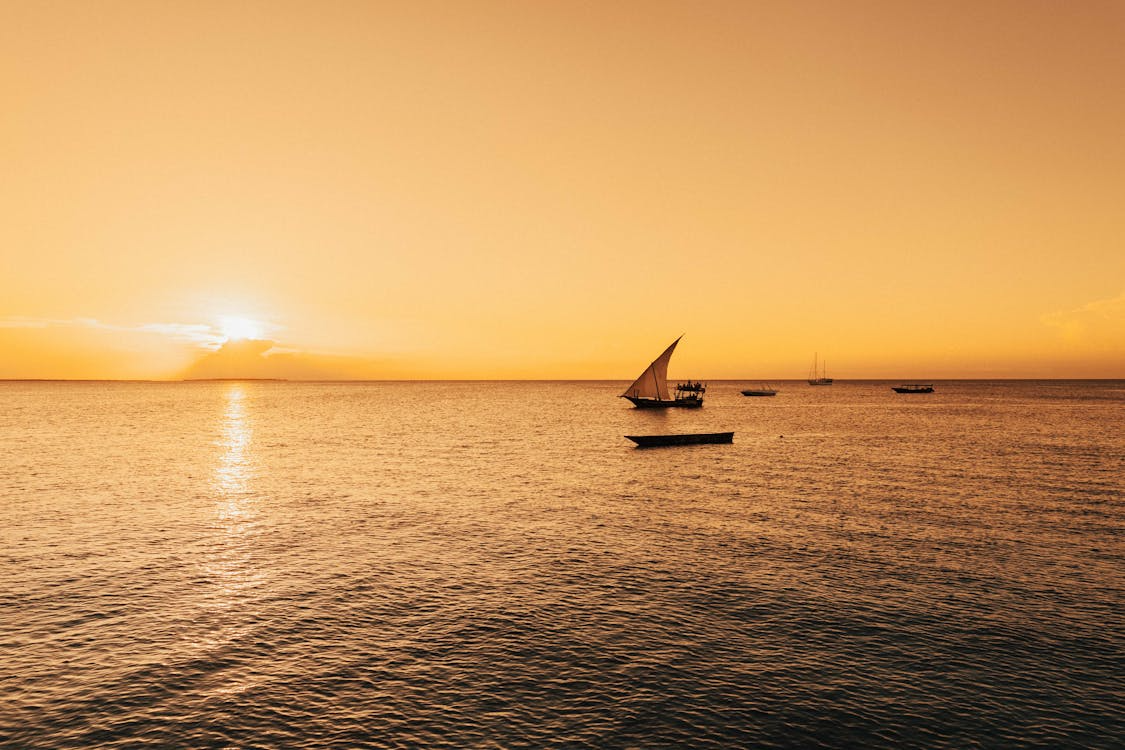
Zanzibar sits just south of the equator in the Indian Ocean, and June marks the heart of its dry season — the kiangazi period that runs broadly from June to October. While European travellers default to the Mediterranean for their summer holiday, Zanzibar is delivering 8–9 sunshine hours per day, sea temperatures above 26°C, and Indian Ocean water clarity that most Red Sea or Mediterranean destinations simply cannot match.
The beaches on the north and east coasts — Nungwi, Kendwa, Paje — are genuinely extraordinary: long stretches of white coral sand, shallow warm water that extends for hundreds of metres at low tide, and the kind of marine life (dolphins, whale sharks in season, sea turtles) that makes the snorkelling here among the best in East Africa.
The island's cultural core, Stone Town, is a UNESCO-listed historic quarter built on layers of Arab, Indian, and Swahili history — extraordinary for a half-day exploration before returning to the beach. High season at Zanzibar's best beach resorts runs from July onwards; June delivers broadly the same weather at shoulder-season prices.
The honest caveats: getting to Zanzibar involves routing through Dar es Salaam or Nairobi, adding a connection. Travel insurance covering delays is important on East African routings. And while the water is extraordinary, the tidal range on the east coast is significant — at low tide, the sea can retreat hundreds of metres from the beach, which affects swimming windows.
Sunshine hours: ~8–9/day (June–October) Sea temperature: 26–28°C Rain risk: Low (dry season peak) Best for: Indian Ocean swimming, snorkelling, diving, history and culture, couples
Affiliate links — we may earn a commission, at no cost to you.
The full comparison: best sunny beaches 2026
| Destination | Best months | Sun/day | Sea temp | Rain risk | Best for |
|---|---|---|---|---|---|
| "Sunny Beach", Bulgaria (Burgas) | Jul–Aug | ~10h | 25–26°C | Very low | Budget, families, party |
| Crete, Greece | Jun–Aug | ~11h | 22–25°C | Near-zero | All types, variety |
| Algarve, Portugal | Jun–Sep | ~10h | 20–23°C | Very low | Couples, scenery, food |
| Tulum, Mexico | May–early Jun | ~8h | 28°C+ | Moderate | Culture + beach |
| Nusa Dua, Bali | Jun–Aug | ~9h | 27–29°C | Low (south coast) | Couples, wellness |
| Zanzibar, Tanzania | Jun–Oct | ~8–9h | 26–28°C | Low | Diving, Indian Ocean |
How to check sunshine before you book
Every destination on this list has a strong statistical record for the months listed. But weather varies year to year, and historical averages tell you the probability, not the certainty. The most useful tool for checking actual conditions before you commit is a live forecast.
SunFinder ranks 395 destinations simultaneously based on your exact travel dates — pulling real-time cloud cover, temperature, and precipitation data so you can compare all six beaches on this list (and hundreds more) side by side. If you have flexibility on destination or timing, it shows you which beach is looking genuinely sunniest right now, not just on historical average.
Before you go
Two services worth lining up for any beach trip in 2026 — wherever you end up.
Frequently asked questions about sunny beach destinations
Where can I find guaranteed sunshine in 2026?›
For guaranteed sun from May to October, the most reliable beach destinations are Crete and the Algarve (May-Sep, 11-13 hours sun/day), Sunny Beach Bulgaria (Jun-Sep, 9-10 hours), and tropical options Bali, Tulum and Zanzibar (year-round, 7-9 hours). Each delivers under 15% rain risk in their peak window.
What is the weather like at Sunny Beach Bulgaria?›
Sunny Beach has a continental climate with very hot, dry summers and cold winters. The resort enjoys around 300 days of sunshine per year. July and August are the hottest months, with daytime temperatures regularly reaching 27–31°C and sea temperatures up to 25–26°C. Rainfall in July and August is minimal.
What is the sunniest beach in Europe?›
Based on sunshine hours data, the sunniest beaches in Europe in summer are typically found in southern Spain (Costa del Sol, Almería), southern Greece (Crete, Rhodes, Santorini), and Sicily. All deliver 11–13 sunshine hours per day in July and August. Sunny Beach, Bulgaria delivers 9–10 hours per day in peak summer.
What is the best sunny beach for families?›
Sunny Beach, Bulgaria is one of the best value options for families — long, sandy, with gentle waves and well-developed resort infrastructure. Crete is excellent for families wanting to combine beach and culture. Nusa Dua in Bali offers calm, warm water and family-friendly resorts.
How do I find a sunny beach destination for my exact travel dates?›
SunFinder ranks 395 beach destinations simultaneously based on live and forecast weather data for your specific dates. It is the fastest way to see which destinations are looking sunniest in your travel window, without checking each one individually.
What's the nearest airport to Sunny Beach Bulgaria?›
The nearest airport is Burgas Airport (BOJ), about 35 km south of "Sunny Beach" — roughly a 30-40 minute transfer. Burgas receives direct seasonal flights from most major European hubs between May and October. Outside this window, connections via Sofia (SOF) are usually required.
Related reads
Ready to book a beach with guaranteed sun?
Find sunny destinationsWeather forecasts are inherently uncertain and subject to change. The information in this article is based on historical patterns and forecast data available at time of publication. SunFinder cannot guarantee specific weather conditions for any destination. Always check the latest forecasts before travelling and plan accordingly. Some links in this article are affiliate links — we may earn a small commission if you book through them, at no extra cost to you.