Published 8 March 2026
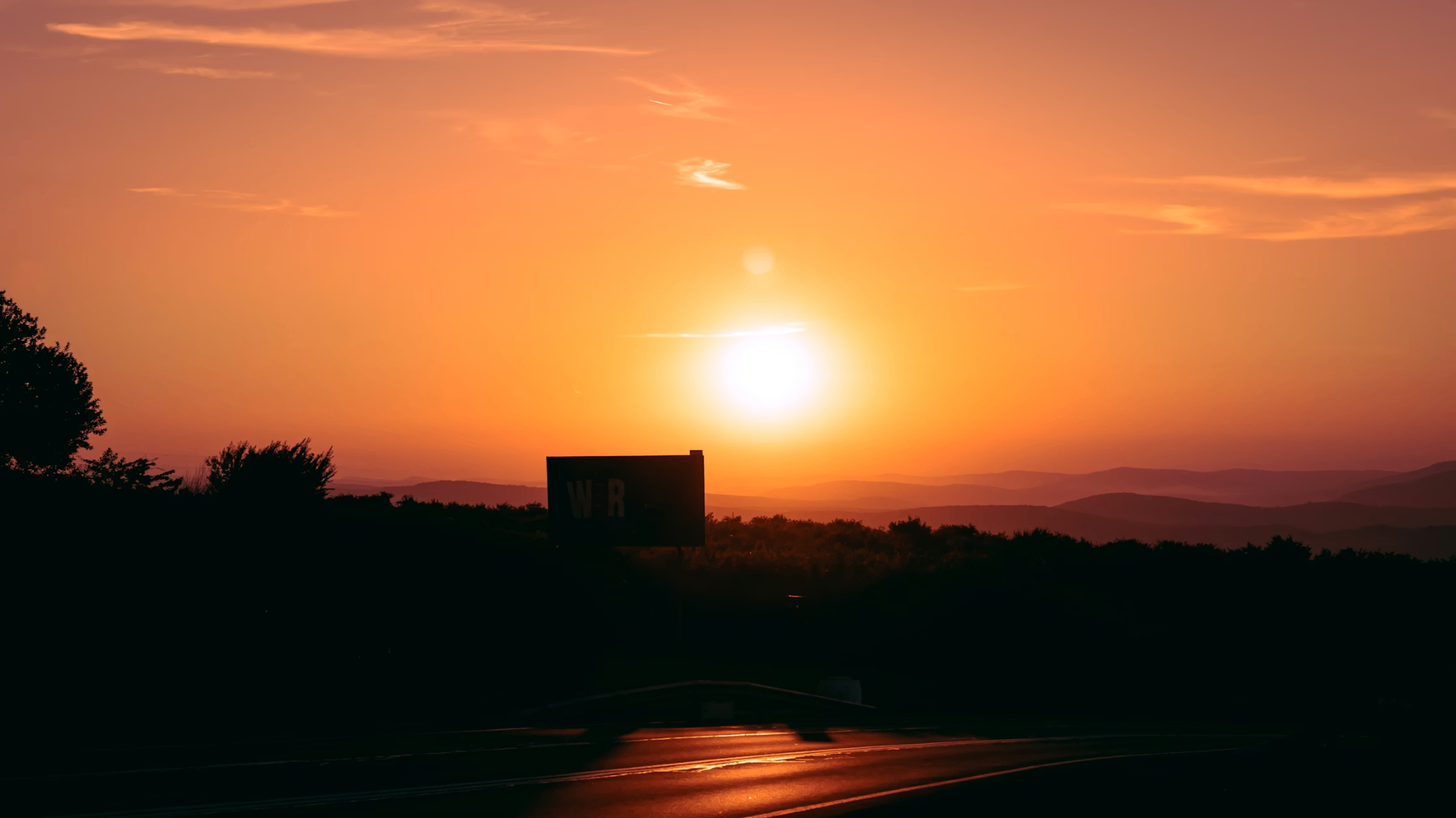
How to Plan a Summer Holiday and Avoid Heat Waves
There’s a version of the classic summer trip that sounds perfect on paper: a week in Seville, long lunches in shady plazas, late-night tapas, wandering through the Alcázar. Then reality arrives with the heat. By midday, the streets are empty, sightseeing feels like hard work, and suddenly your dream trip becomes a daily hunt for air conditioning.
A summer holiday should feel energising, not like something you need to recover from. The good news? With a little planning, it’s easy to avoid the hottest spots and still have an incredible trip.
Start with the right mindset
One of the biggest mistakes people make is assuming summer automatically means the Mediterranean. It doesn’t.
Yes, Southern Europe can still be wonderful in early summer or shoulder season. But in peak July and August, some places are simply better enjoyed at other times of year. The smartest travellers know that summer is about following the best conditions — not just the most obvious destinations. And honestly? Some of the world’s most memorable summer experiences happen far away from crowded beaches and sweltering cities.
Find your perfect summer destination
Check live sunshine forecasts for 395 destinations worldwide
Find sunny destinations🇸🇪Scandinavia — the most underused summer destination in the world
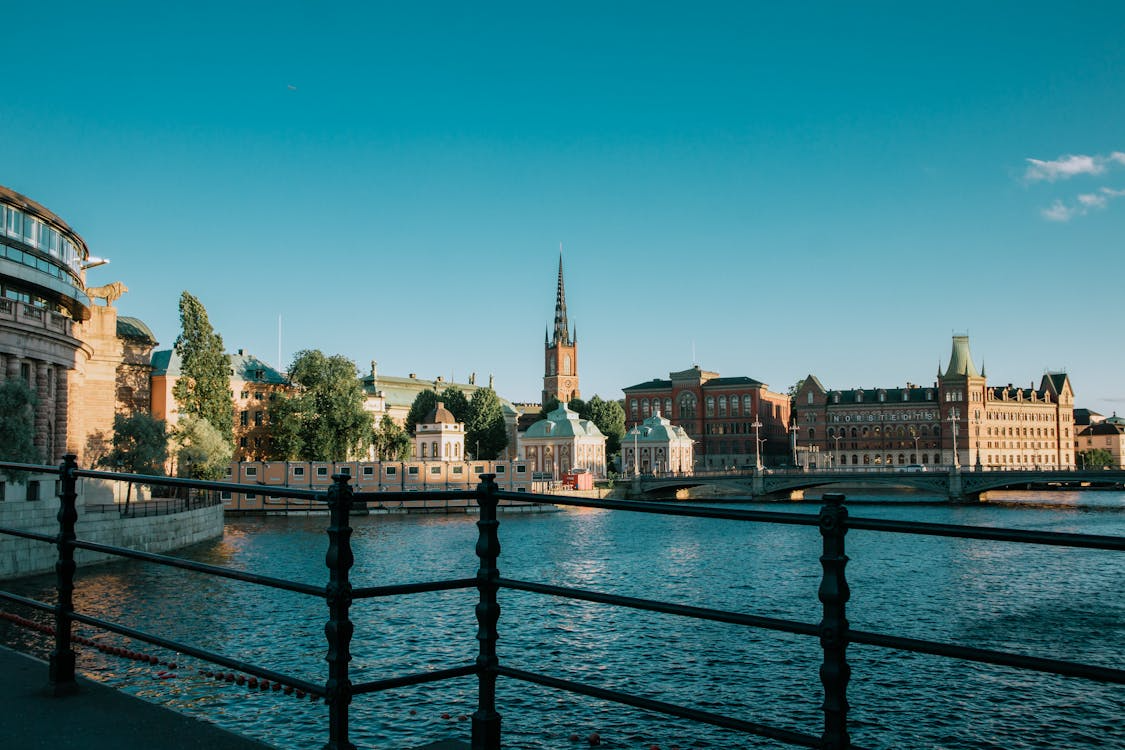
Stockholm in June has 18 hours of daylight. Think about what that actually means: you finish dinner at 9pm and it's still bright enough to walk around the old town without a jacket. The light is soft, golden, completely unlike anything you get further south. Temperatures sit normally around 20–23°C, warm enough for shirtsleeves, cool enough to actually want to move around.
Copenhagen is similar. The city comes fully alive in summer in a way that's hard to describe if you haven't seen it: the harbourside fills up, the cycling culture makes the whole place feel effortless, and the food scene is quietly one of the best in Europe. Oslo sits a touch cooler but the fjords nearby are genuinely extraordinary in long summer light.
These aren't compromise destinations. For a lot of people, they're the best possible answer to "where should I go in July."
Affiliate links — we may earn a commission, at no cost to you.
🏴Scotland and the British Isles — unfairly overlooked
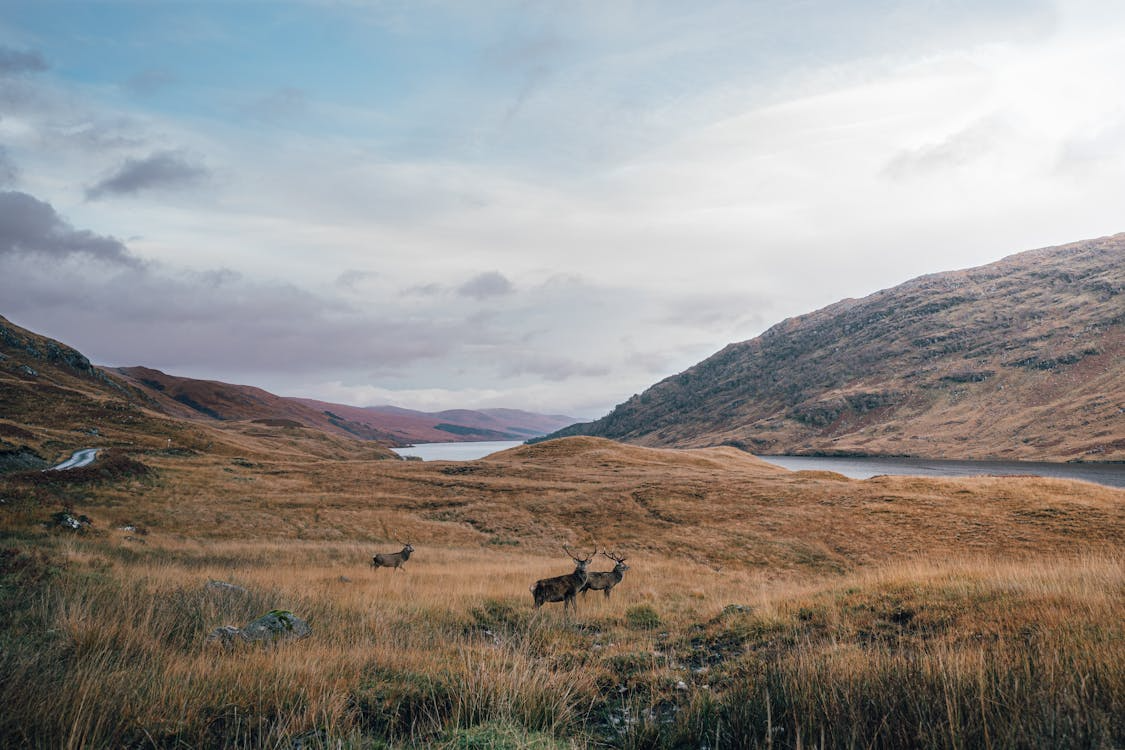
Edinburgh in July is around 18°C to 20°C, reliably green, and extraordinarily beautiful. The city itself is one of the most architecturally striking in Europe (the castle, the Royal Mile, Arthur's Seat) and in summer the festival circuit hasn't yet arrived, so you get the city at a more human pace. The Scottish Highlands beyond are something else entirely: dramatic, empty, and lit by long summer evenings that make every loch look like a painting.
The honest caveat: it can rain. Scotland is Scotland. But the answer to that is to check a live forecast before you go, which as it happens is exactly what SunFinder is built for. And even on days with passing showers, the landscape has a moody, cinematic quality that photographs better than almost anywhere on earth.
If you're the kind of person who finds a crowded Mediterranean beach stressful rather than relaxing, Scotland in summer might be exactly what you didn't know you were looking for. The pace is different. The air is different. And the whisky helps.
Affiliate links — we may earn a commission, at no cost to you.
🌊The Azores and Madeira — Europe's best-kept secret

Funchal in Madeira and the Azores sit in the Atlantic at a latitude that gives them something extraordinary: year-round mild temperatures with almost no extremes in either direction. In July and August, you're looking at 24–26°C, constant ocean breezes, and landscapes that look like someone crossed Ireland with Hawaii. Volcanic lakes, dramatic coastlines, thermal springs, some of the best hiking in Europe.
Madeira in particular is one of those places that people visit once and immediately start planning to return. It doesn't have the same beach culture as the Mediterranean, but it has something better: genuinely extraordinary nature, very manageable crowds even in high summer, and weather that simply doesn't punish you.
The Azores are technically Europe but feel like a world away. Nine islands scattered across the mid-Atlantic, each with its own character from the volcanic calderas of São Miguel to the untouched wilderness of Flores. If you want a summer that doesn't involve baking on a crowded beach, this is genuinely one of the best decisions you can make.
Affiliate links — we may earn a commission, at no cost to you.
🏛️The Baltics — affordable, beautiful, almost nobody goes
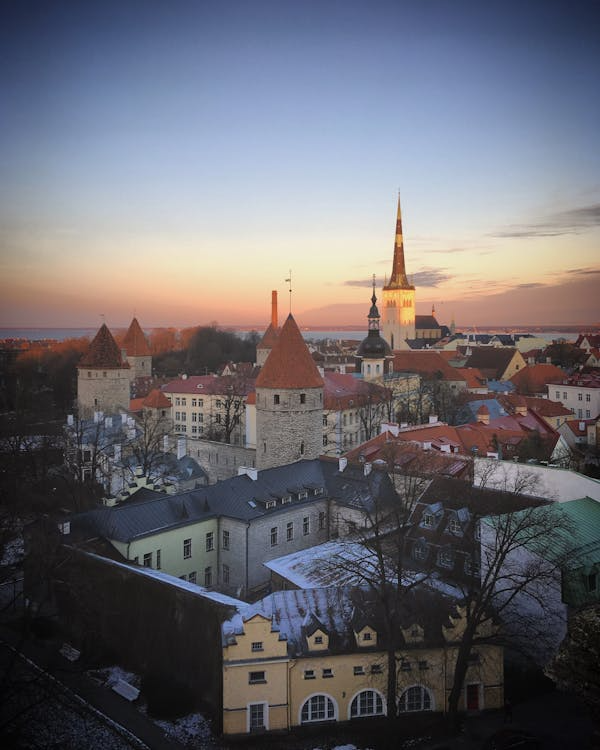
Tallinn in summer is a revelation. The medieval old town is UNESCO-listed and genuinely intact — not a reconstruction, the real thing. July temperatures sit around 20–22°C. The city is compact enough to walk everywhere, the food scene has improved dramatically in recent years, and it's still priced like it's 2010.
Riga and Vilnius complete the trio if you want to string them together. Each has its own character: Riga's Art Nouveau architecture is extraordinary, Vilnius has a bohemian energy and a baroque old town that catches everyone off guard. Together they make one of the best two-week trips in Europe, and you'll spend less than you would on a week in Santorini.
This is the part of Europe that feels like Southern Europe did before mass tourism arrived. The restaurants are good, the cities are walkable, the history is layered and complex, and you can actually get a table without booking three months ahead. Go now, before everyone else figures it out.
Affiliate links — we may earn a commission, at no cost to you.
🏔️The mountains — the obvious answer hiding in plain sight
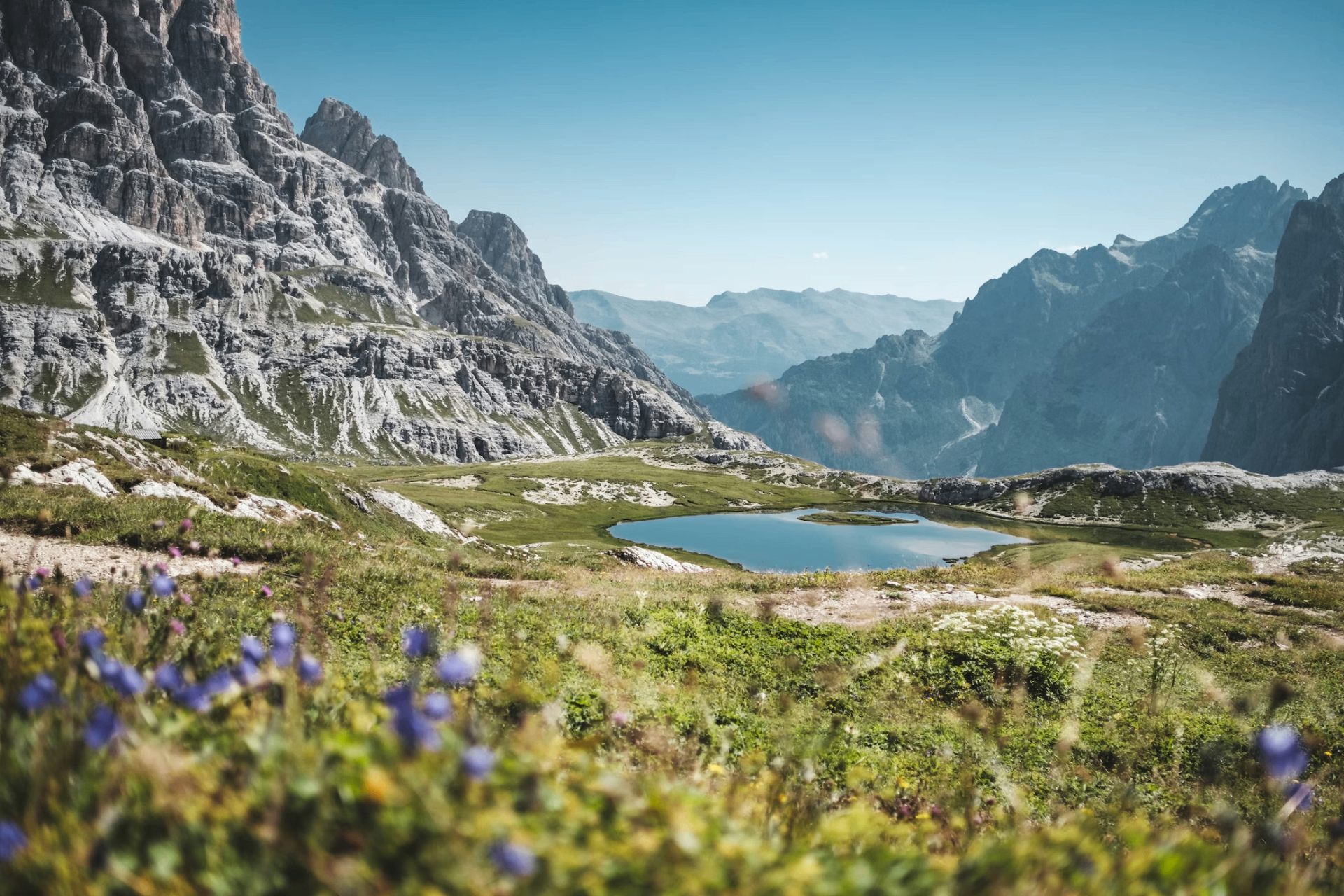
Every 1,000 metres of altitude drops the temperature by around 6°C. When Barcelona hits 38°C, Chamonix is at 22°C. The Dolomites around Bolzano, Andorra, Bansko in Bulgaria... these are entirely different climate zones from the coast, and in summer they're at their best. Wildflowers, hiking trails, long clear evenings, none of the beach-resort intensity.
Innsbruck specifically is one of the most underrated summer bases in Europe. You're in the Alps within 20 minutes of the city centre, the old town is beautiful, and the infrastructure is Austrian, which means it works perfectly. Cable cars run all summer, mountain huts serve lunch with views that would cost you a fortune at any rooftop bar, and the air is clean in a way that cities simply can't match.
The mountains also solve the "what do we actually do all day" problem that beach holidays sometimes create. Every day has natural structure: a morning hike, a long lunch, an afternoon swim in a mountain lake, dinner in the village. You come home fitter and more rested than when you left.
Affiliate links — we may earn a commission, at no cost to you.
🌍If you want to go further
For those willing to cross an ocean, summer in the northern hemisphere is a very different season elsewhere. Banff and the Canadian Rockies are at peak condition from June to September, glacier lakes so blue they look artificially coloured, hiking trails with almost no crowds compared to their American equivalents, and temperatures in the mid-20s.
Vancouver and Victoria on the Pacific coast offer a completely different energy: urban, green, mild, with some of the best food in North America. The Pacific Northwest in summer is one of travel's genuine secrets — reliably beautiful weather, extraordinary nature within an hour of the city, and a cultural scene that rivals anything in Europe.
New Zealand and southern Australia are heading into autumn in July and August, which confuses Northern Hemisphere travellers but is actually ideal: the summer crowds have gone, the temperatures are still pleasant, and the landscapes are unchanged. It's the long way round, but if you have the time, it's worth every hour in the air.
The real secret to a great summer trip
The best summer holidays aren’t about forcing yourself into the hottest destination because that’s what everyone else is doing. They’re about choosing the right place at the right time. That could mean Scandinavian evenings that never seem to end, a quiet Highland road at sunset, a swim in an alpine lake, or breakfast overlooking the Atlantic. Summer is bigger than one idea of what a holiday should look like. Plan around comfort, not cliché — and you’ll enjoy the trip so much more.
Use live forecasts, stay flexible if you can, and think beyond the obvious. That’s how you turn a good summer break into a genuinely memorable one.
Before you go
Two services worth lining up for any summer 2026 trip — wherever you end up.
Affiliate links — we may earn a commission, at no cost to you.
Frequently Asked Questions
Where should I go in summer to avoid extreme heat?›
Scandinavia (Stockholm, Copenhagen, Oslo), Scotland, the Azores, the Baltics (Tallinn, Riga), and mountain destinations like Chamonix or Innsbruck all offer comfortable 18–26°C temperatures in July and August while Southern Europe regularly exceeds 40°C.
Is it too hot to visit Southern Europe in summer?›
Increasingly, yes. Parts of Spain, Portugal, and Greece regularly hit 40–46°C in July and August. While coastal resorts have sea breezes, cities like Seville, Córdoba, and Athens can be genuinely uncomfortable and even dangerous during heat waves.
What are the best mountain destinations to escape summer heat?›
Chamonix (France), Innsbruck (Austria), the Dolomites (Italy), Andorra, and Bansko (Bulgaria) all sit at altitudes where temperatures are 10–15°C cooler than coastal cities. They offer hiking, dramatic scenery, and pleasant summer evenings.
How does SunFinder help me find cool summer destinations?›
SunFinder analyses live weather forecasts for 395 destinations. Enter your departure city and travel dates, and destinations are ranked by Sun Score — a real-time metric combining sunshine hours, temperature, and rain probability. You'll see which destinations offer the best weather for your exact dates.
Is Scandinavia expensive for a summer holiday?›
Scandinavia is more expensive than Southern Europe for dining and accommodation, but the gap has narrowed significantly. Budget airlines serve Stockholm, Copenhagen, and Oslo from most European cities. The 18+ hours of daylight mean you get extraordinary value from every day — you can explore until 10pm without needing evening entertainment.
Ready to plan a summer you'll actually enjoy?
Find sunny destinationsWeather forecasts are inherently uncertain and subject to change. The information in this article is based on historical patterns and forecast data available at time of publication. SunFinder cannot guarantee specific weather conditions for any destination. Always check the latest forecasts before travelling and plan accordingly.