Published 5 June 2026
Holidays in Florida: The Complete Guide to America's Sunshine State
From Disney magic and Gulf Coast beaches to alligator-filled swamps and the most beautiful sunsets you will ever see.
I have been to Florida more times than I can count on one hand and I am still not done with it. That sounds like something a theme park brochure would say, but hear me out. Florida is one of those places that keeps revealing new layers — and not in a pretentious "hidden gem" way, but in the very practical sense that you genuinely cannot do all of it in one trip. The beaches alone could keep you occupied for a month. The Everglades alone could keep you occupied for a week. Disney alone could keep a small family occupied indefinitely if the budget held out.
This guide covers the full picture — weather, beaches, theme parks, nature, the Florida Keys, where to stay, and when to go. Whether you are planning a family holiday, a couples retreat, a solo adventure, or the kind of luxury escape where the hotel is the destination, Florida has a version of what you are looking for.
And if you want to check sunshine conditions for specific Florida destinations against your travel dates — Tampa, Orlando, Key West, Miami — SunFinder tracks live forecast data across all of them simultaneously, so you can see which part of the state is looking best for your exact window.
Weather disclaimer: Florida's weather varies significantly by region and season. The guidance below is based on long-term historical averages. Conditions vary year to year, and hurricane season (June through November) requires particular attention. Always check live forecasts closer to travel and ensure your insurance covers weather-related disruption.
Florida Weather: What You Actually Need to Know
Florida is called the Sunshine State for a reason — but the sunshine is not unconditional, and understanding the climate before you book will save you from arriving in the middle of something you were not expecting.
The state has two primary seasons. The dry season runs roughly from November to April, bringing warm, mostly clear days with low humidity and very little rain. The best time to visit Florida is usually January to May and September to October, when the weather is warm but not at its most oppressive and many destinations are easier to enjoy than in peak summer. This is the sweet spot for most travellers — comfortable temperatures, lower humidity, and the landscape at its most pleasant.
The wet season runs from May through October, bringing the heat, the afternoon thunderstorms, and — from June through November — the Atlantic hurricane season. One major concern for guests is avoiding hurricane season which is broadly considered to run from June to the end of November, with larger storms more likely during August and September. This does not mean you should never visit in summer — millions of people do every year and have wonderful holidays — but it does mean you should buy travel insurance, watch forecasts, and have a plan.
Regional variation matters more than most guides acknowledge. South Florida (Miami, the Keys, Fort Lauderdale) is warmer and drier in winter than Central or North Florida. The Panhandle — Destin, Panama City Beach, Pensacola — experiences actual winter, with temperatures of 50–65°F in December through February, too cold for beach activities. The Gulf Coast around Tampa, Clearwater, and Sarasota sits in the middle: warm year-round but cooler in winter than the far south.
The sweet spot: November and May deliver excellent conditions at reasonable prices but require navigating shoulder season trade-offs. April is arguably the single best month in most of Florida — consistently warm, reliably dry, before the summer heat and humidity build, and without the spring break crowds of March.
The Florida Beaches and Regions: An Honest Breakdown
Florida has roughly 1,350 miles of coastline and more named beaches than most countries have. The five regions below cover the meaningful choices — what to expect, who each is for, and where the honest trade-offs sit.
1. The Gulf Coast — The Best Beach Swimming in Florida
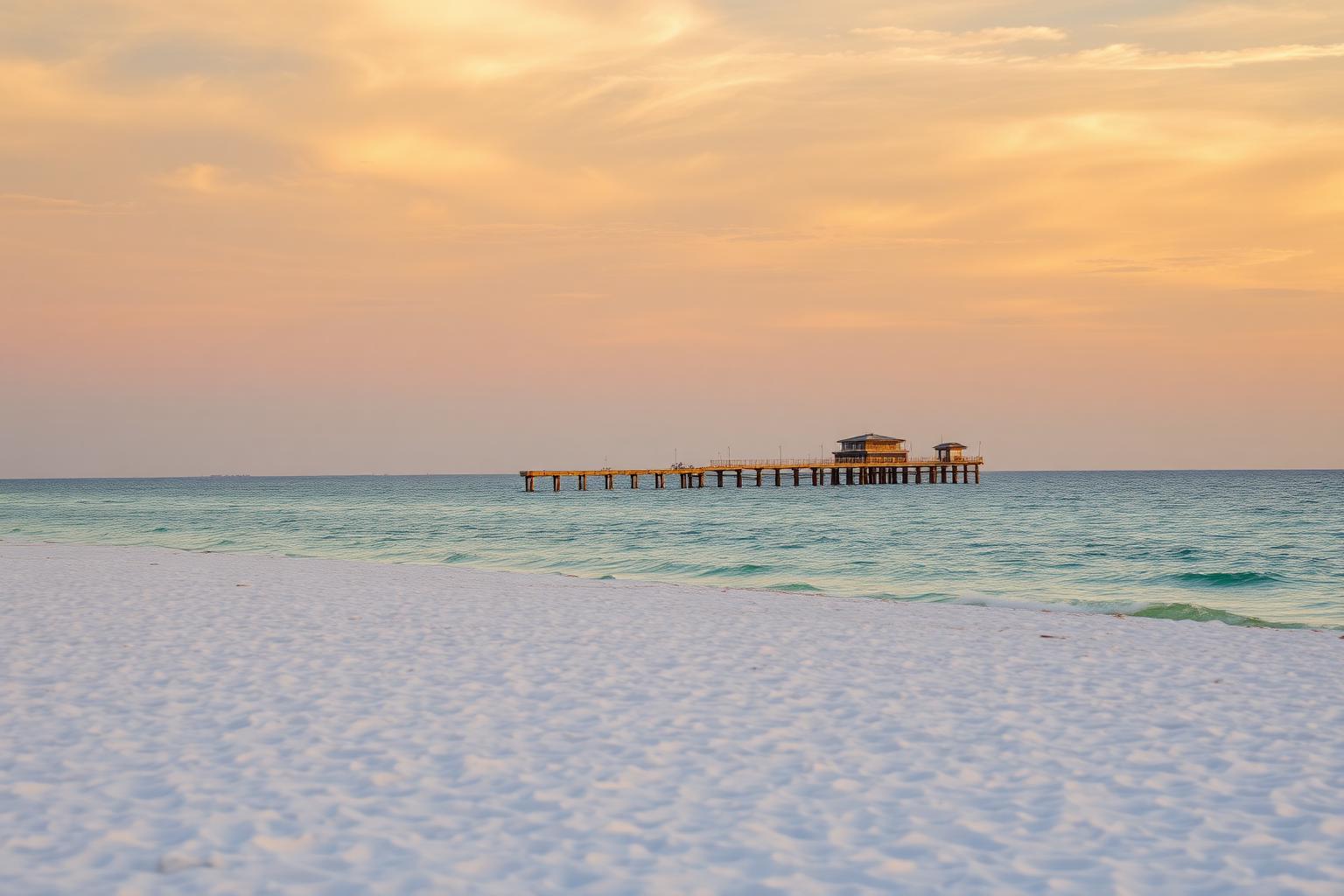
The Gulf Coast is warmer, calmer, and has whiter sand than the Atlantic side, and it is where I would go if a beach holiday was my primary goal. The Gulf of Mexico's relatively shallow and enclosed waters mean gentler waves and better swimming conditions, particularly for children.
Clearwater Beach, reached via the PIE or TPA airports, is consistently ranked among the best beaches in the US and earns the title honestly. The Sandpearl Resort has long been the best overall luxury hotel on Clearwater Beach, with a prime location directly on the beach where guests can sit in hotel-owned beach chairs and charge cocktails to their room. The JW Marriott Clearwater Beach Resort is the other heavy hitter — a genuinely spectacular property with multiple pools and direct beach access. Pier 60, at the end of Clearwater Beach's main promenade, hosts a nightly sunset celebration with street performers, craft vendors, and the kind of spontaneous communal joy that is very specifically Florida.
Siesta Key, just south of Sarasota via SRQ airport, is the one that beach purists talk about. The sand here is 99% pure quartz crystal — it stays cool to the touch even in direct afternoon sun and has a powdery, almost unreal quality that photographs cannot quite capture. The St. Regis Longboat Key and the Ritz-Carlton Sarasota are nearby luxury options for those who want the beach with serious accommodation behind them.
Anna Maria Island (also served by SRQ) is the one to know if you want the Gulf Coast without the resort infrastructure. A small barrier island at the northern tip of the Sarasota Bay area, it still has locally-owned restaurants, no chain hotels on the waterfront, and a pace that feels like Florida in the 1980s before everyone else arrived. Rent a beach cruiser and cycle the length of it. Eat at a fish shack. Marco Island (via RSW, Fort Myers airport) is the southernmost of the Gulf Coast barrier islands accessible by road and represents the transition zone between Gulf resort coast and the wild edges of the Everglades — the beaches here face west, which means sunsets directly over the water every single evening.
Don't miss: Clearwater Beach sunset at Pier 60, Siesta Key's quartz sand, Anna Maria Island by bike, and dinner in Tampa's Ybor City. The Florida Aquarium in Tampa is one of the best in the country if you have a rainy afternoon to fill.
Practical tips
- Fly into PIE (St. Pete–Clearwater) over TPA when possible — smaller, faster, and closer to the beach hotels.
- Book a sunset dolphin cruise from Clearwater Beach Marina. Cheap, genuinely magical, and the dolphins are reliably there.
- Avoid the resort strip restaurants. Walk one block back for half the price and twice the food quality.
- Visit February through May or October–November for warm weather without the summer storm pattern.
Affiliate links — we may earn a commission, at no cost to you.

2. The Atlantic Coast — Miami, Fort Lauderdale, and Beyond
The Atlantic side runs warmer in winter but has different energy. Fort Lauderdale (FLL) is significantly more relaxed than Miami, with a long promenade beach, excellent restaurants, and a genuine waterway culture — the city has more miles of waterway than Venice. It is the better base for families who want Miami-adjacent energy without Miami-adjacent prices or Miami-adjacent sensory overload.
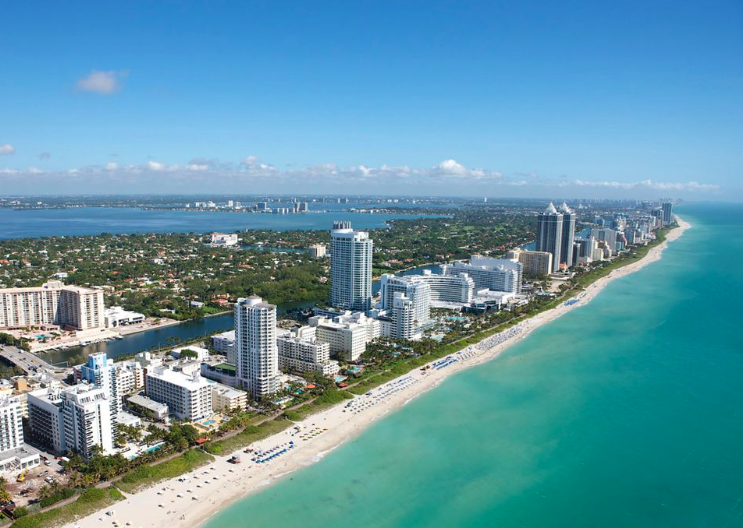
Miami Beach (MIA) needs no introduction but deserves an honest one. South Beach is one of the most visually extraordinary places in America — the Art Deco architecture, the people-watching, the Atlantic in colours that have no right being that turquoise — but it is expensive, loud, and not especially relaxing if relaxation is your goal. Go for a long weekend. Eat at Versailles in Little Havana. Walk the ocean drive in the early morning before the heat builds. Understand what it is and love it on its own terms.
New Smyrna Beach (via DAB, Daytona) and Panama City Beach (ECP) both offer something different — less famous, more affordable, and with genuine community character. Panama City Beach, in the Panhandle, has the most spectacularly clear emerald-green water in Florida; it looks more like the Caribbean than most of the Caribbean.
For luxury in Miami, the 1 Hotel South Beach (beautifully designed, genuinely sustainable) and the Faena Hotel Miami Beach (the most theatrical hotel lobby in Florida, possibly in America) are the two that earn genuine conversation beyond the category.
Don't miss: South Beach early morning before the heat builds, Little Havana for Cuban food and a café cubano, the Vizcaya Museum gardens, and a sunset from the rooftop of a South Beach hotel.
The honest caveat: Miami is genuinely expensive — drinks are New York prices, parking is a sport, and the Uber surge from South Beach on a Saturday night is its own line item. Budget accordingly and you will love it. Treat it as a quick add-on to a quieter Florida trip rather than the entire holiday.
Practical tips
- Stay in Fort Lauderdale and day-trip into Miami. Cuts your hotel bill in half without sacrificing access.
- Eat lunch at Versailles in Little Havana — the most Cuban restaurant outside Havana and shockingly affordable.
- Skip the Ocean Drive tourist restaurants. Walk two blocks inland to Española Way or up to Sunset Harbour.
- Use the free South Beach trolley to avoid parking nightmares.
Affiliate links — we may earn a commission, at no cost to you.
3. The Florida Keys — America's Most Scenic Drive
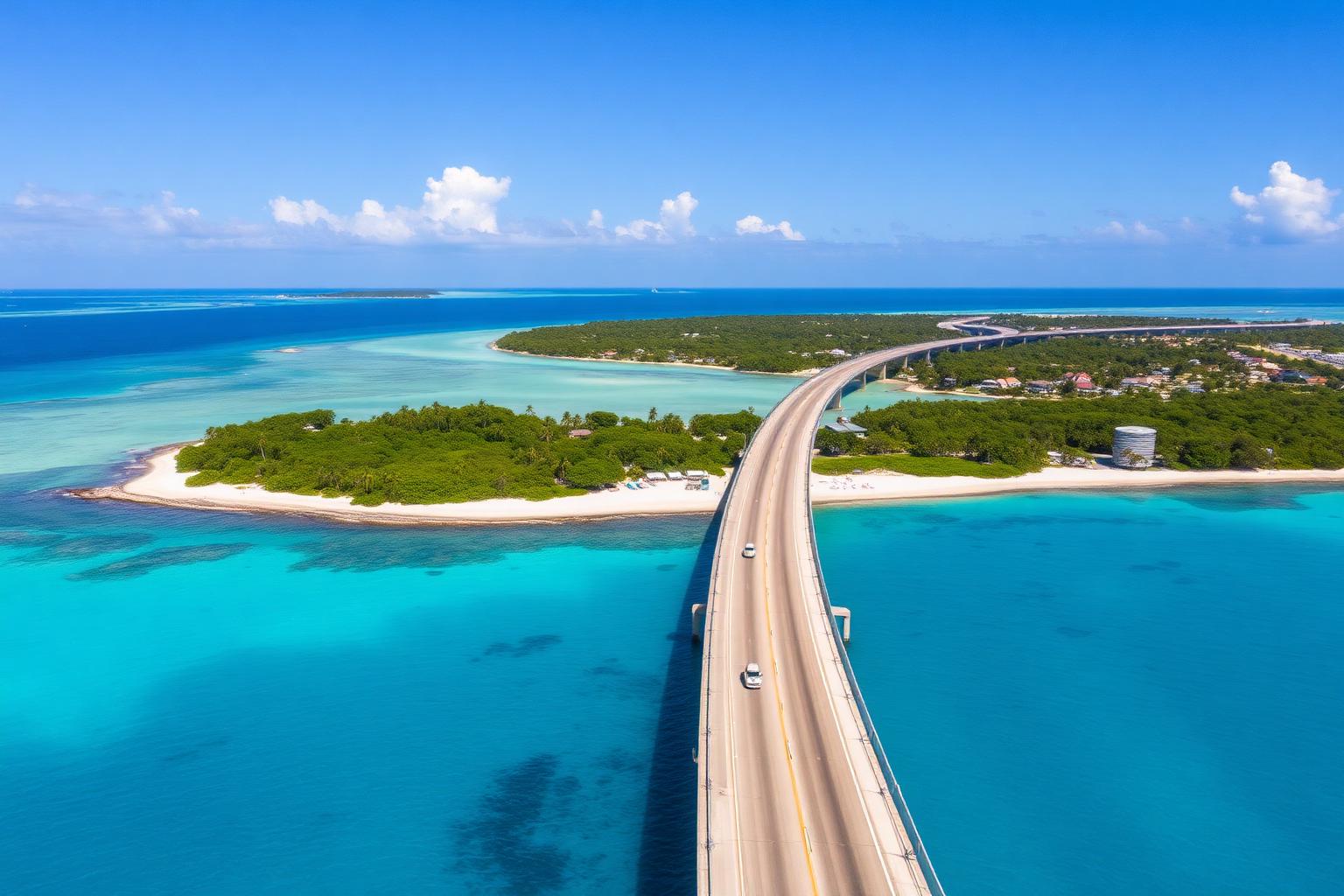
The Florida Keys deserve their own section because they operate differently from the rest of Florida. The Overseas Highway — 113 miles of road linking 42 bridges across open water — is one of the most extraordinary drives in the country. You leave mainland Florida at Miami, cross Biscayne Bay, and for the next two hours every road is a causeway over turquoise water with nothing but ocean on both sides.
Key West (EYW) is the end of the road in the most literal sense — the southernmost point in the continental United States, 90 miles from Cuba. It is also the most characterful place in Florida: a small island of Victorian "conch houses" painted in soft pastels, Duval Street in full swing from mid-afternoon onwards, the daily sunset celebration at Mallory Square where the entire town turns west and watches the sun go down over the Gulf of Mexico, and a seafood restaurant on every corner where the stone crab claws are the best thing you will eat all trip.
For luxury in the Keys, Little Palm Island Resort on Little Torch Key is the gold standard — accessible only by boat or seaplane, with private bungalows over the water and a no-phone-signal policy that is either your nightmare or your dream depending entirely on who you are. Back in Key West proper, the Parrot Key Hotel and Villas is the quieter, more elegant option away from the Duval Street energy.
Snorkelling and diving in the Keys is exceptional — the Florida Reef, the only living coral barrier reef in the continental US, runs along the Atlantic side of the Keys. Visibility in the dry season can exceed 100 feet.
Don't miss: The sunset at Mallory Square, stone crab claws at Lazy Days or Keys Fisheries, snorkelling at John Pennekamp Coral Reef State Park in Key Largo, and the Seven Mile Bridge stop for photos.
The honest caveat: Key West is expensive, particularly in dry season (December–April). Accommodation rates double versus the off-season and book out months ahead. If the budget is tight, base yourself in Key Largo or Marathon — same Keys magic, half the price, and the snorkelling is arguably better in the upper Keys.
Practical tips
- Fly into Miami (MIA) and drive. The road IS the experience — flying into EYW skips the whole point.
- Reserve John Pennekamp snorkel trips in advance. They sell out in dry season.
- Get to Mallory Square 30 minutes before sunset for the full street-performer experience.
- Stone crab season runs October to May. Order them. Pay whatever they ask. Thank me later.
Affiliate links — we may earn a commission, at no cost to you.

4. Orlando and the Theme Parks — The Honest Guide
I want to be real with you about Disney World because most content about it is either relentlessly promotional or relentlessly cynical, and neither is useful.
Walt Disney World is four theme parks, two water parks, and a shopping and dining district spread across 40 square miles — it is not a theme park, it is more accurately described as a small city. A single day at Magic Kingdom is a genuinely extraordinary experience if you go in with the right expectations, the right timing, and the right strategy. A poorly planned visit in peak season is expensive, exhausting, and something people talk about as a cautionary tale for years.
When to go: the best time to visit Disney World for lower crowds is usually mid-January to early February, early May, and late August to September. These weeks often have shorter waits than school-holiday periods and major holiday weeks. March is spring break and should be avoided unless crowds are irrelevant to you. November is a perfect month when it comes to weather — temperatures are still warm but not hot, the rainfall has begun to slow after hurricane season, and the holiday season usually kicks off in the first week.
Beyond Disney: Universal Orlando has quietly become a serious competitor for adult visitors. The Wizarding World of Harry Potter — spread across both Universal Studios and Islands of Adventure — is as well-executed a themed environment as exists anywhere, and Diagon Alley in particular has a level of immersive detail that even Disney fans concede is extraordinary. Epic Universe, Universal's third park which opened in 2025, has added Nintendo World and other significant expansions.
For families who want to space the theme parks: Orlando is also the base for the Kennedy Space Center, an hour east at Cape Canaveral — one of the most genuinely awe-inspiring visitor experiences in the country, regardless of whether space is something you particularly care about. Seeing a real Space Shuttle up close does something to your perspective that is difficult to explain until you are standing in front of one.
Don't miss: Magic Kingdom at park opening, Universal's Wizarding World of Harry Potter (both parks), Epic Universe's Nintendo World, and a half day at the Kennedy Space Center Visitor Complex.
The honest caveat: Disney walk-up ticket prices are punishing — sometimes 30–40% higher than booking ahead. Date-based pricing also means peak weeks cost significantly more than off-peak. Plan it like a flight: book early, watch the price calendar, do not show up assuming you can wing it.
Practical tips
- Buy park tickets online well ahead. Date-based pricing rewards early commitment.
- Arrive at park opening (rope drop). The first two hours are worth the next six.
- Take a real mid-afternoon break — the heat and the crowds peak between noon and 3pm. Return for the evening parades.
- Stay on Disney property if budget allows: free park transport, early entry, and zero parking faff.
Affiliate links — we may earn a commission, at no cost to you.
5. The Everglades — Florida's Other World
Most Florida holidays do not include the Everglades and that is a genuine shame, because it is one of the most unusual places in North America. A UNESCO World Heritage Site and the largest subtropical wilderness in the US, the Everglades is not what most people expect when they imagine it. It is not a swamp in the horror movie sense — it is a slow-moving river of grass, wide and bright, with a sky that stretches in all directions and a wildlife density that makes African safari footage feel less implausible.
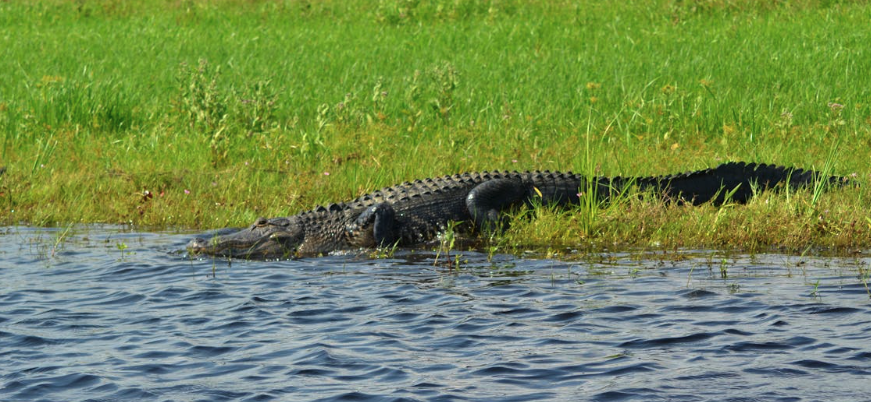
The classic entry point for most visitors is the airboat tour — flat-bottomed boats driven by aircraft propellers that skim across the sawgrass prairie at remarkable speeds. You will see American alligators, you will see roseate spoonbills, you will see anhinga birds drying their wings on dead cypress branches, and you will understand very quickly why Florida's ecosystem is unlike anywhere else on earth.
Shark Valley, accessible from the northern edge of the park, has a 15-mile paved loop that can be cycled or explored by ranger-guided tram, and the observation tower at the end delivers a 360-degree view of the sawgrass prairie that is as arresting as any landscape in the country.
The Everglades pairs naturally with a Keys itinerary — drive south from Miami through Homestead, enter the park at the Ernest Coe Visitor Center, then continue on the Overseas Highway to the Keys. Two very different Floridas, both extraordinary, within a two-hour drive of each other.
Don't miss: A morning airboat tour, the Anhinga Trail at sunrise (wildlife is most active before the heat), and the view from the Shark Valley observation tower.
The honest caveat: Visit in the dry season (December–April). In summer the insects are genuinely punishing and the wildlife is dispersed. Dry season also concentrates animals around water sources, which makes the airboat tours dramatically better. Bring strong DEET regardless of season.
Practical tips
- Book airboat tours in advance, particularly in peak dry season. The reputable operators sell out.
- Do the Anhinga Trail at sunrise. It is short, paved, and the alligators are right there. Avoid midday.
- Pair Everglades with the Keys — one drive, two completely different Floridas.
- Bring sun protection that is more aggressive than you think you need. There is no shade on the prairie.
Affiliate links — we may earn a commission, at no cost to you.
Where to Stay in Florida: From Budget to Extraordinary
Florida has accommodation at every level and every style. Here is an honest map of the best options.
For luxury on the Gulf Coast: The St. Regis Longboat Key, the Ritz-Carlton Sarasota, the Sandpearl Resort on Clearwater Beach, and the JW Marriott Marco Island Beach Resort are all exceptional. Naples has the Naples Beach Club, a Four Seasons property, which is one of the finest resort hotels in the southern US.
For luxury in Miami: The 1 Hotel South Beach (beautifully designed, genuinely sustainable) and the Faena Hotel Miami Beach (the most theatrical hotel lobby in Florida, possibly in America) are the two that earn genuine conversation beyond the category.
For something genuinely special in the Keys: Little Palm Island Resort. No hedging — if the budget allows and the itinerary permits, do it.
For families at Disney: Staying on property at Disney World has genuine advantages — free park transportation, early park entry, and the ability to completely immerse in the experience. Disney's Wilderness Lodge is the most beautiful of the on-property resorts; the Grand Floridian is the most luxurious.
For value: Florida is one of the few states where self-catering vacation rental homes are often genuinely better value than hotels, particularly for families or groups. The Gulf Coast barrier islands have a strong inventory of well-managed beach houses with pools, which provide the space and flexibility that hotel rooms cannot.
Practical Tips Before You Fly
A set of principles that will save you more money, stress, and bad decisions than any "Florida hack" video on TikTok. These are the things I do on every Florida trip.
- 1. Buy travel insurance that explicitly covers hurricanes. If you are visiting between June and November, ensure your policy covers hurricane-related cancellations and disruptions. Standard travel insurance often excludes named storms or requires purchase before the storm is named. This is not optional during hurricane season.
- 2. Rent a car for almost any itinerary. Florida is not a walking state outside of specific areas (South Beach, Key West, Downtown Orlando). Distances between attractions are large, public transport is limited outside Miami, and the freedom of a hire car transforms what is possible. Book in advance — rates increase significantly for last-minute rentals.
- 3. Book Disney and Universal tickets well ahead. Theme park tickets are date-specific and sell out for popular periods weeks in advance. The price is also lower when booked early. Walk-up rates can be 30–40% higher than booked-ahead rates.
- 4. Plan around the afternoon thunderstorm pattern. From May through September, Florida's inland areas receive almost daily afternoon thunderstorms that typically build between 2pm and 4pm and clear within an hour. Plan outdoor activities for mornings, schedule indoor activities or hotel pool time for the early afternoon.
- 5. Get a US eSIM before you fly. International roaming charges on US networks can be expensive. A US eSIM from Airalo costs a few pounds or euros for a week of data and takes three minutes to activate before you board. It is the simplest thing you can do to avoid a bill shock on your return.
- 6. Check live sunshine forecasts for each Florida region before you commit. South Florida, the Gulf Coast, and the Panhandle have meaningfully different weather patterns and the difference in conditions on a given week can be significant. Check Tampa, Fort Lauderdale, Orlando, Key West, and Miami separately — they are not the same trip.
- 7. Time your visit to the region, not the calendar. The Panhandle (Destin, Pensacola, Panama City Beach) is too cold for swimming in December–February. South Florida is at its best then. The "best time to visit Florida" depends entirely on which Florida you are visiting.
- 8. Use no-fee debit and credit cards. Overseas spending fees on standard cards add 2.5–3% to every purchase. Cards like Wise, Starling, or Chase Sapphire have zero foreign transaction fees. Over a two-week Florida trip, that is real money back in your pocket.
- 9. Self-catering beach houses often beat hotels. Florida is one of the few states where vacation rental homes are often genuinely better value than hotels, particularly for families or groups. The Gulf Coast barrier islands have a strong inventory of well-managed beach houses with pools.
- 10. Pack for the indoor air conditioning. Florida's indoor AC is set somewhere between "brisk" and "meat locker." Restaurants, cars, shops, and especially theme park indoor rides will be 18–20°C. Bring a light layer even in August.
Florida By Region: Quick Reference
A side-by-side comparison of Florida's main regions to help you choose where to base yourself based on what kind of holiday you actually want.
| Region | Airports | Best months | Sunshine | Best for |
|---|---|---|---|---|
| Miami / South Florida | MIA, FLL | Nov–Apr | ★★★★★ Winter sun | Nightlife, Art Deco, luxury |
| Gulf Coast (Tampa, Clearwater) | TPA, PIE, SRQ | Feb–May, Oct–Nov | ★★★★★ Year-round | Best beaches, families |
| Orlando | MCO | Jan–Feb, May, Sep, Nov | ★★★★☆ Mild winter | Theme parks, families |
| Florida Keys | EYW, MIA + drive | Nov–May | ★★★★★ Tropical | Snorkelling, sunsets |
| The Everglades | MIA, RSW | Dec–Apr | ★★★★☆ Dry season | Wildlife, nature |
Sunshine ratings based on long-term meteorological averages. Conditions vary year to year — always check live forecasts before booking.
The Final Thought
Florida is not one holiday — it is a collection of five or six entirely different holidays sharing a state line. The mistake most first-time visitors make is treating it as a single destination and trying to do too much. Pick a region, commit to it for at least seven days, and you will leave wanting to come back for a different one.
The Gulf Coast for the beaches. The Keys for the road trip and the snorkelling. Orlando for the parks. Miami for a long weekend of energy and Cuban food. The Everglades as an add-on to anything else. Each one is genuinely worth the flight on its own.
Check your specific dates on SunFinder before you book — live forecast data for Tampa, Orlando, Miami, Fort Lauderdale, and Key West sits alongside every one of the 395 destinations we track, and it takes two minutes to see which Florida region is looking best for your exact travel window.
Frequently Asked Questions About Florida Holidays
When is the best time to visit Florida?›
The best time to visit Florida is usually January to May and September to October, when the weather is warm but not at its most oppressive and many destinations are easier to enjoy than in peak summer. April is the single best all-round month: warm, dry, before the summer heat, and without the spring break crowds of March. For Disney specifically, the best time to visit Disney World for lower crowds is usually mid-January to early February, early May, and late August to September.
What is Florida's weather like in July?›
July is Florida's hottest and wettest month. Temperatures across most of the state reach 32–35°C (90–95°F) with high humidity. Daily afternoon thunderstorms are almost guaranteed, particularly inland. The Gulf Coast beaches are warm and beautiful in the mornings, and the water temperature reaches its peak at 30°C. It is entirely possible to have a wonderful July holiday in Florida — millions do every year — but plan activities for mornings and accept that afternoons involve either a pool, air conditioning, or both.
Is Florida safe to visit during hurricane season?›
Hurricane season runs from June 1 to November 30, with peak activity in August and September. The vast majority of Florida holidays during this period proceed without any hurricane impact — the state is large and most hurricanes affect only a narrow area. However, the risk is real and travel insurance that covers hurricane disruption is non-negotiable for any booking during this window. Check forecasts in the final week before travel. The Keys and the Gulf Coast are more exposed than Central and North Florida.
How many days do you need in Florida?›
It depends entirely on what you want to do. A focused Disney trip can be done in four to five days. A Gulf Coast beach holiday needs at least seven to feel like a proper rest. A Florida road trip — Miami, Everglades, Keys, Gulf Coast, Orlando — is best with ten to fourteen days. Florida is large; underestimating travel times between regions is one of the most common planning mistakes.
What are the best beaches in Florida?›
Clearwater Beach, Siesta Key, and Anna Maria Island consistently top rankings for the Gulf Coast. South Beach in Miami and Fort Lauderdale Beach lead on the Atlantic side. For the most extraordinary water colour in the state, Pensacola and Panama City Beach in the Panhandle have emerald-green Gulf water unlike anywhere else — though note these are not warm enough for swimming in winter.
Do I need a car in Florida?›
For almost all Florida itineraries, yes. Miami is the exception — South Beach is walkable and has reasonable public transport. Key West is the other exception — the island is small enough to cycle. Everywhere else, a hire car is the difference between a frustrating and a liberated holiday.
Find your sunny Florida week
Compare live sunshine, temperature and rain across Tampa, Orlando, Miami, Key West and 395 destinations worldwide.
Find my sunny destinationWeather data based on long-term historical averages from the National Weather Service and meteorological institutes. Conditions vary year to year. For live forecast conditions across Florida destinations, visit SunFinder. Affiliate links are partnerships that help fund this site at no additional cost to you. Hotel and activity recommendations are editorially independent.